TMS TREATMENT

What Is TMS?

A Guide for Veterans & First Responders​

TMS (transcranial magnetic stimulation) is an FDA-cleared, drug-free treatment for depression. Here’s how it works, what it feels like, and whether it makes sense for you.

Or Call 706-471-3736

Depression Isn't a Weakness. It Shows Up in the Brain.

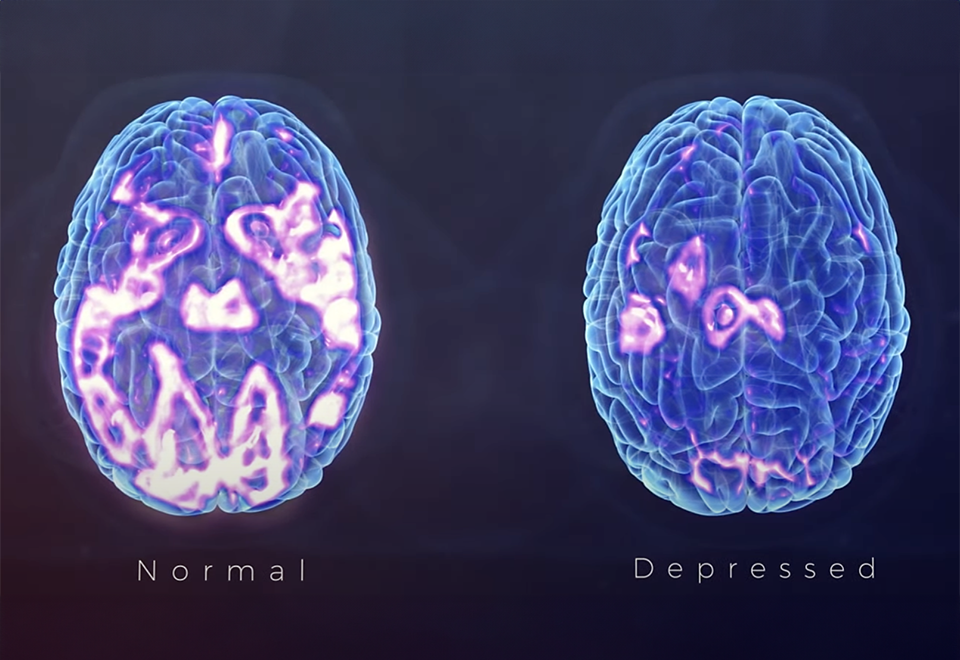
Depression changes how parts of your brain function. Brain imaging studies show that in many people with depression, an area behind the forehead called the prefrontal cortex is less active than it should be.

That area helps regulate mood, focus, and how you handle stress. When it slows down, you feel it: flat mood, no drive, trouble sleeping, short fuse, losing interest in things that used to matter.

Years of deployments, stress, and trauma can take a toll on these same systems. That’s not a character flaw. It’s biology. And biology can be treated.

Normal brain vs. depressed brain
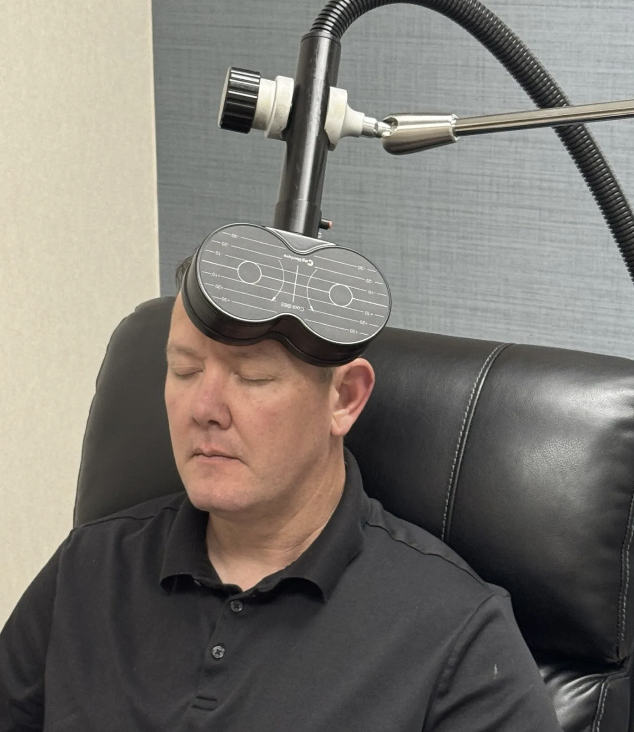
Veteran receiving TMS treatment at D2 Performance in Columbus, GA

How TMS Works

  1. A magnetic coil rests against your head. It sits over the part of the brain linked to mood.
  2. It sends focused magnetic pulses. Similar in strength to an MRI, aimed at one small area.
  3. The pulses activate brain cells. They create small electrical currents that get underactive neurons firing again.
  4. Repetition builds lasting change. Session after session, the brain’s mood circuits get stronger, much like training builds muscle. This is called neuroplasticity. The magnetic field only reaches a few centimeters, so it targets the area that needs it and leaves the rest of your brain and body alone.

What TMS Is (and What It Isn't)

TMS is: non-invasive; done while you’re awake and alert; medication-free; an outpatient visit you can drive yourself to and from; FDA-cleared for major depression since 2008.

TMS is not: shock therapy (ECT) — no anesthesia, no induced seizures, no memory loss; a pill — nothing enters your bloodstream, so no weight gain, sexual side effects, or brain fog from medication; experimental.

Is TMS Right for You?

TMS may be a good fit if:

  • You’ve been diagnosed with depression, or think you may have it
  • You’ve tried one or more antidepressants and they didn’t help enough
  • Side effects from medication made it hard to stay on it
  • You’re dealing with PTSD and depression together
  • You want a treatment that doesn’t add another prescription

A note on PTSD: TMS is FDA-cleared to treat depression, not PTSD on its own. But depression and PTSD often go hand in hand for veterans. When depression is part of the picture, treating it can make a real difference in daily life.

A note on insurance: Most plans, including TRICARE, cover TMS for depression when medications haven’t worked well enough. We’ll check your coverage for you.

TMS Quick Facts

What You May Feel During TMS Treatment

Most people describe a light tapping on the scalp. Some get mild scalp discomfort or a headache early in treatment that usually fades as sessions continue.

Serious side effects are rare. The most serious, a seizure, is very rare and is screened for before treatment begins.

You stay awake the whole time. When the session ends, you can drive home or go back to work.

Find Out if TMS Can Help You

Start with a free, no-pressure consultation. We’ll answer your questions, check your insurance, and tell you honestly if TMS makes sense for you.

Or Call 706-471-3736